
The Kent Aesthetics Clinic Logo
Microneedling in Kent

Microneedling

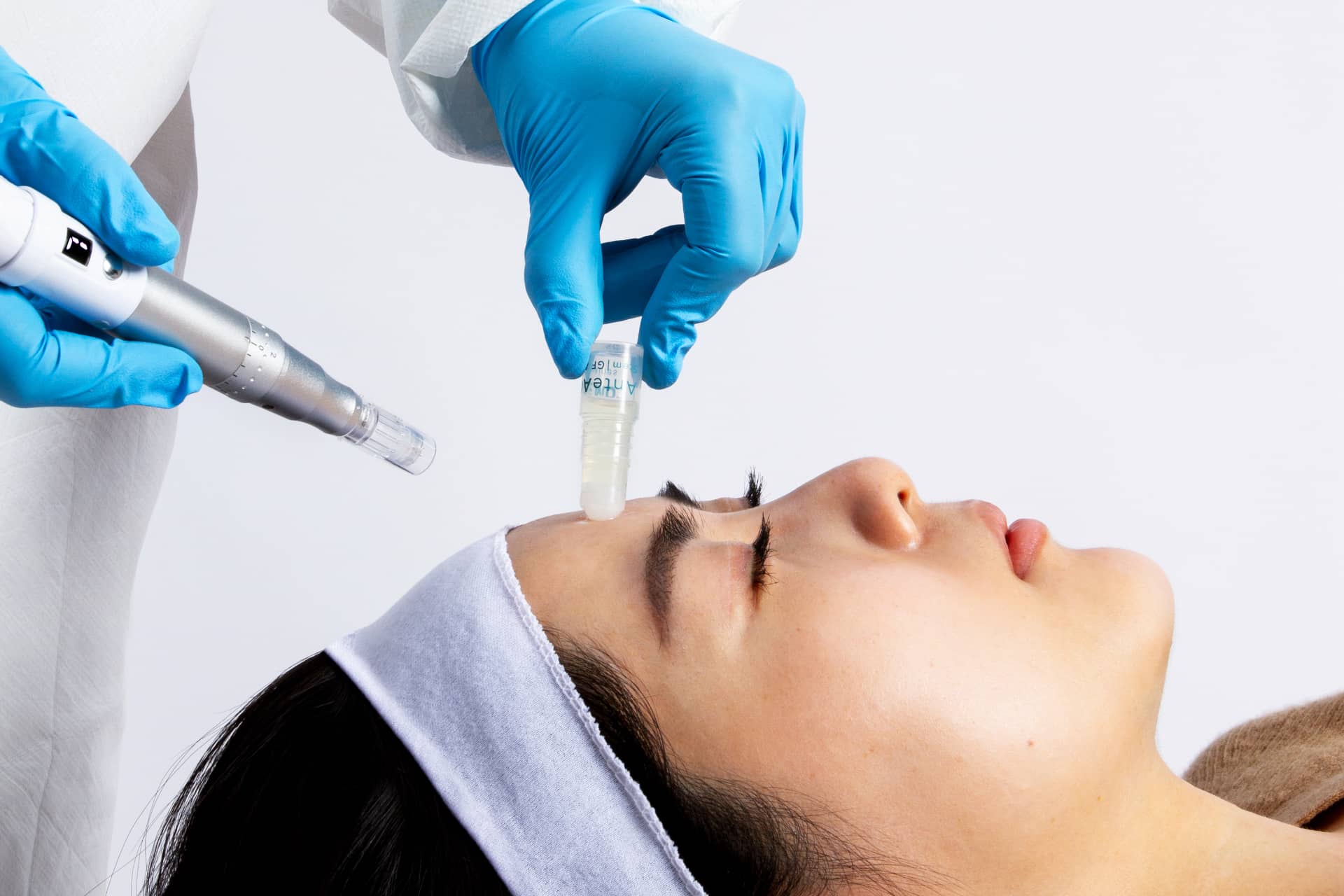
Microneedling is a treatment that stimulates collagen and elastin fibres. The procedure works by creating thousands of tiny microscopic perforations in the skin’s surface, forming tiny channels that allow the product to absorb directly into the dermal layers. This encourages the skin’s natural repair process.

During the treatment, AnteAGE stem cell growth factor solutionis applied to support skin repair and rejuvenation, enhancing the results of the microneedling process.

The tiny perforations from the procedure cause a controlled micro-injury to the skin, which the skin responds to by producing new collagen-rich tissue. This new skin tissue can help improve tone, texture and firmness.

Prior to microneedling, we apply Celluma LED red light therapy. This helps stimulate the collagen fibres, making them more responsive to the microneedling treatment.

Each microneedling session lasts approximately 30–40 minutes, with a 1-hour appointment including the LED therapy.

After a session of microneedling, the skin may appear red or pink, which is referred to as erythema. This is a normal reaction and will usually calm after a couple of hours.

Treatment Cost

Treatment cost starts from £200.

Three sessions, 4 weeks apart, are recommended for best results.

Related Articles

Microneedling FAQs

What does microneedling do?

Microneedling, also known as collagen induction therapy, is a cosmetic procedure that involves using a small device with fine needles to create tiny punctures in the skin. This process stimulates the production of collagen and elastin, which are proteins that help keep the skin smooth, firm, and youthful-looking. Micro-needling can improve the appearance of fine lines, wrinkles, acne scars, and hyperpigmentation, and can also enhance the effectiveness of skincare products.

Does microneedling really work?

Yes, microneedling can be very effective. This minimally invasive skincare treatment uses tiny needles to create microchannels in the skin, stimulating natural collagen and elastin production. Benefits include improved skin texture, reduced wrinkles, and diminished scars or stretch marks. However, results may vary, we recommend a course of 3, each 2 weeks apart.

Is microneedling better than Botox?

Microneedling and Botox are both popular skin treatments with different objectives. Microneedling aims to rejuvenate and improve skin quality and texture, whereas Botox focuses on reducing wrinkles by temporarily paralysing facial muscles. The choice between them depends on individual skin concerns and desired results. Microneedling will improve the overall condition of the skin long-term. Once Botox has dissolved you will be left with the same quality skin. Botox is a short-term solution.

What are the cons of micro needling?

Microneedling, a skin treatment involving dozens of small tiny needles, has some potential downsides. These may include temporary redness, soreness, bleeding, some swelling, mild discomfort, risk of infection, and scarring if not administered properly.

How long do microneedling results last?

Microneedling results typically last for 4-6 weeks. However, the longevity of the effects may vary depending on factors such as individual skin type, the depth of treatment, and the consistency of aftercare. To maintain optimal results, it's recommended to undergo a series of sessions, with top-up treatments every few months.

How painful is microneedling?

Microneedling, a popular skincare treatment, generally causes mild to moderate discomfort. The sensation varies from person to person and depends on factors such as handpiece, needle size, and individual pain tolerance. Most people describe the feeling as a slight scratching sensation. Topical numbing creams can be applied beforehand to minimise any discomfort during the procedure.

Who should not do microneedling?

Microneedling is not be suitable for individuals with active acne, skin infections, open wounds, or sensitive skin conditions like eczema or psoriasis. Additionally, those with a history of poor wound healing, keloid scarring, or blood clotting disorders should avoid microneedling. Pregnant or breastfeeding women, as well as individuals on specific medications like blood thinners, should consult their doctor before considering this treatment.

How much is microneedling cost UK?

Microneedling cost in the UK varies depending on factors such as clinic location, practitioner experience, and treatment area. On average, a single session ranges from £100 to £300. For optimal results, multiple sessions may be recommended, potentially increasing the overall cost. At The Kent Aesthetics Clinic, a single session of Micronedling costs around £140.

What not to do after microneedling?

After microneedling, avoid the following to ensure optimal healing and results:

Sun exposure: Protect your skin from direct sunlight for at least 48 hours.
Harsh skincare products: Steer clear of exfoliants, retinoids, or alcohol-based products for 3-5 days.
Makeup: Wait 24 hours before applying makeup to prevent irritation and infection.
Exercise: Refrain from vigorous workouts and sweating for at least 24 hours.
Touching your face: Minimise touching the treated area to reduce the risk of infection.
Swimming: Avoid chlorinated pools and hot tubs for 48 hours post-treatment.
Hot showers: Take lukewarm showers for 24 hours to prevent further irritation.
By following these precautions, you'll help your skin heal and achieve the best results from your microneedling treatment."

How often should you do microneedling?

Microneedling frequency depends on the needle length used and individual skin concerns. Typically, treatments with 0.25mm to 0.5mm needles can be done every 2 to 4 weeks, while those with 1.0mm to 1.5mm needles require a 4 to 6-week gap. Seek advice from a professional on what is right for you.

Get A Call Back

Please enter your details and a member of our team will call you back.